WHO IS MASTER LIN
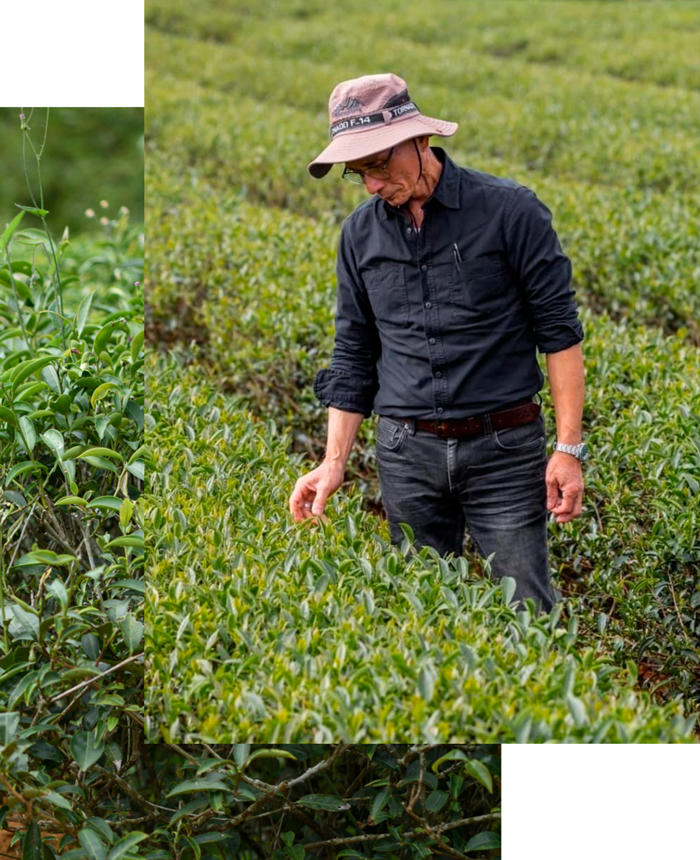
Master Lin is one of the greatest masters in Taiwan, and probably in all of Asia. Although he has considered himself a farmer in every sense for only two decades, he inherited the plantations from his father and grandfather, who grew rice and fruit as well as tea. Lin, however, has managed to surpass all his ancestors, taking his teas to an extraordinarily high level, a level that can be called artistic. His dedication and respect for his plants, combined with his obsessive care for every detail during tea processing, make his creations true works of art.
Just as with many teas you can recognize the typical flavors of a plant or a territory, with his teas, once you have come to understand them a little, you can recognize the hand of the master, of the artist who has managed to bring together, with care and perfection, all the gifts that nature has given the tea plant.
With our Oriental Beauty collection you will discover Master Lin’s style in all its magnificence.

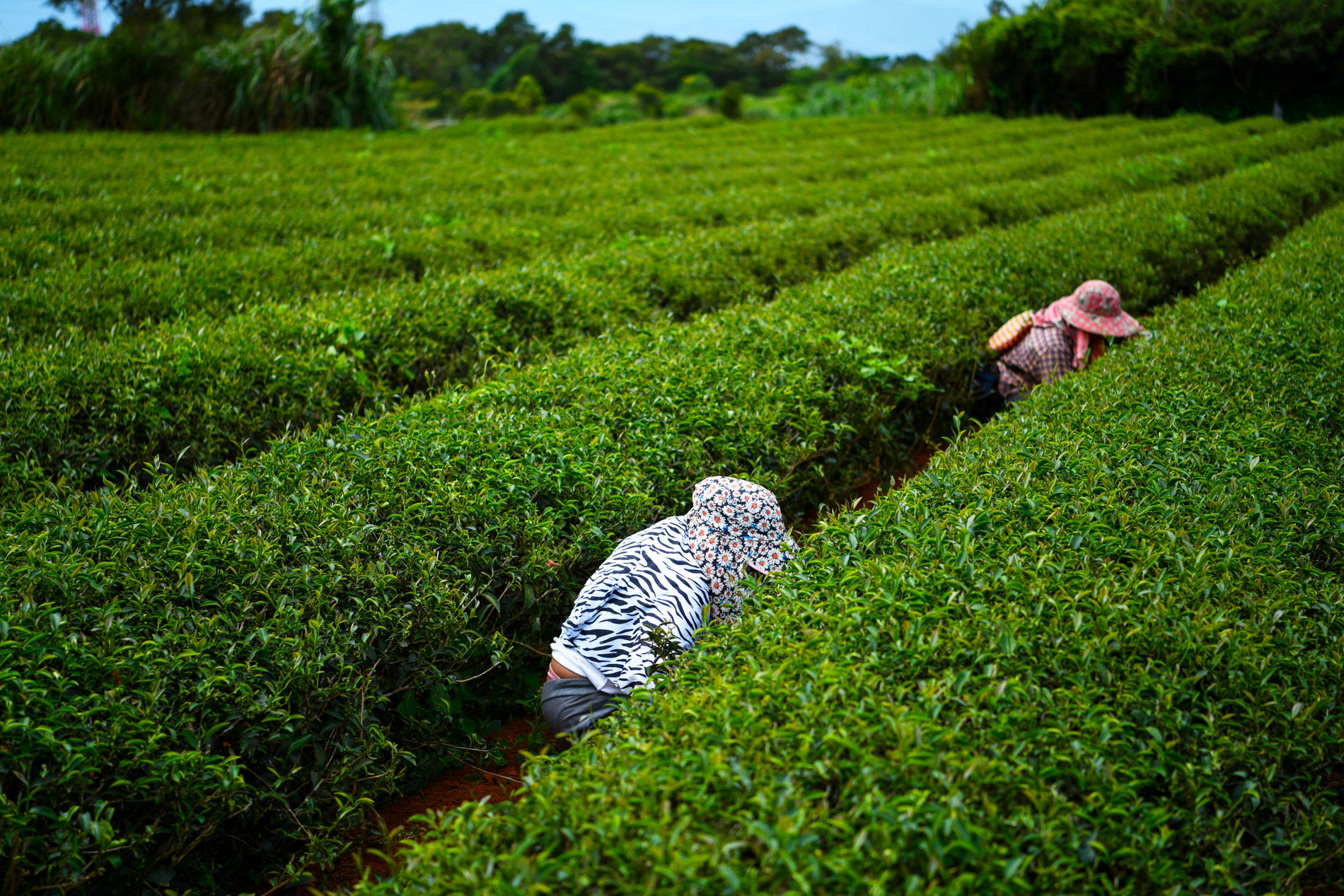
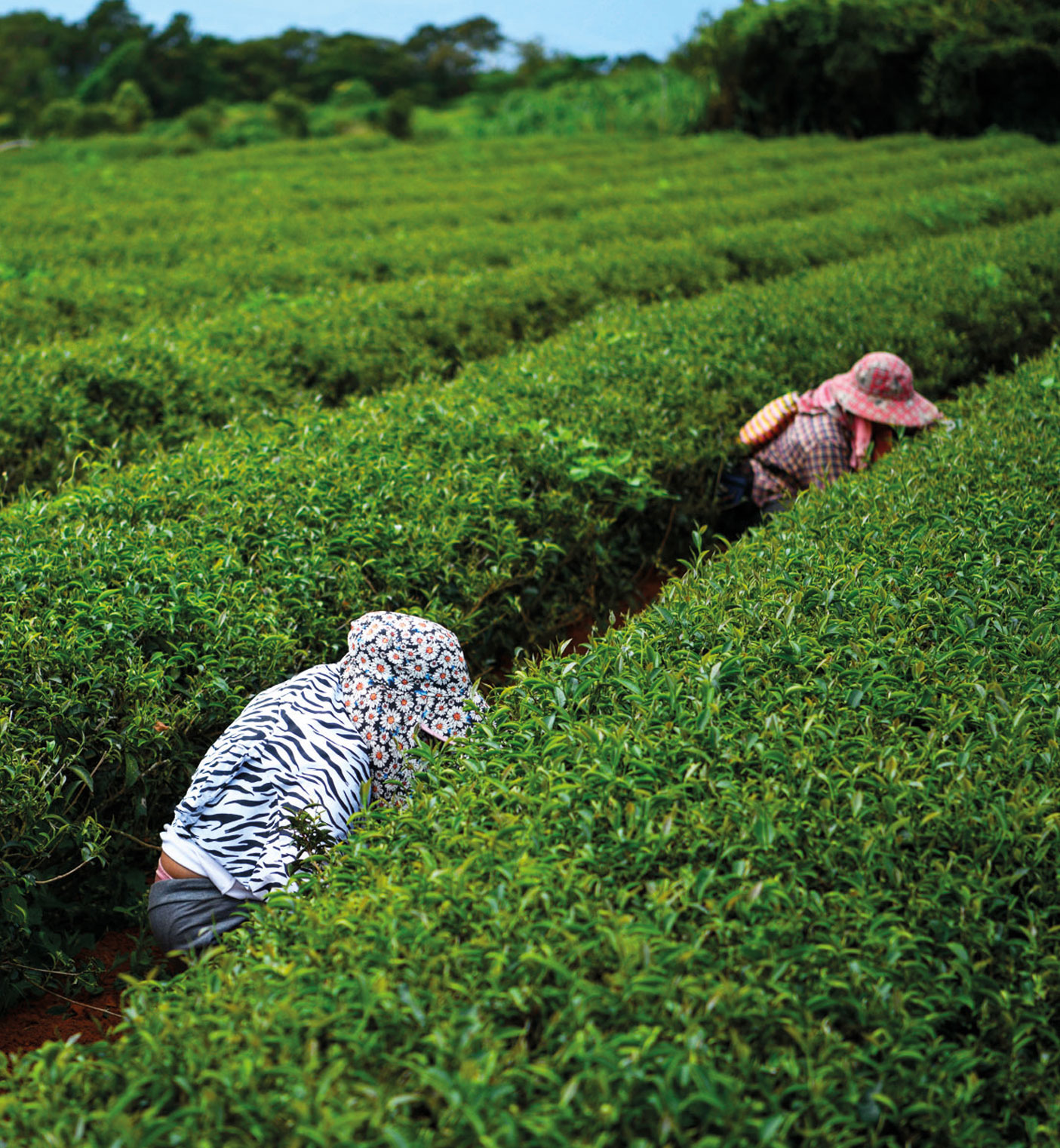
Lin’s gardens are located near Taoyuan, in the Gui Shan district south of the capital, Taipei. The only cultivar the master grows is Qingxin Dapan (also called Qingxin Da Mao), the plant of choice for producing Oriental Beauty. The soil is red, rich in iron and of the loess type, a form of very fine wind-blown sediment, and the plantations in that area reach an altitude of 250 meters.
Lin’s gardens are not yet certified organic, but for many years now no pesticides or synthetic chemicals of any kind have been used. This makes for a clean and safe tea, and it also attracts insects to the plantation, and insects are essential for producing an authentic Oriental Beauty.
Oriental Beauty is a very special oolong with a fairly high level of oxidation, made from leaves that have been bitten by a small green leafhopper of the Empoasca family. For just twenty days a year or a little longer, between May and June, the insect arrives in the Qingxin Dapan plantations and starts sucking the sap from the buds and first leaves, which are tender and rich in water and plant juices. The plants of this cultivar then begin to react to this attack, warning neighboring plants through their roots and producing, in response to the attacks, plant hormones and aromatic volatile substances that fill the air of the plantations with a wonderful fragrance.
These aromas attract many other insects, including some spiders that climb the stems of the plants and begin to feed on the leafhoppers’ eggs, limiting their growth. In this way the plant always receives just the right amount of bites, yet manages to survive until the leafhoppers leave. All these defense molecules, once transformed during the various stages of tea processing, will give us astonishing aromas: fleshy red roses, peaches and honey, sandalwood and aloeswood incense, green peppercorn and fleshy white flowers, a rich and elegant body and a sweet, smooth flavor that is almost intoxicating and very sensual.
As we can imagine, the plants need to be looked after following this month of hardship, and the harvested leaves must be handled with the utmost mastery to create what only Master Lin is capable of.
“When I was young I never drank tea, but I was fascinated by the plant’s resilience and vitality, so I became interested in growing tea, and now tea is the air I breathe: I cannot live without it. Drinking quality tea (which is not easy to find) is a form of daily meditation on good taste. For me, the buds and the first two leaves are the most precious treasure of our nature.
We drink tea to try to understand ourselves.”
MASTER LIN